How to Save Money on Veterinary Costs in the USA
Smart strategies, online pharmacies, wellness pop-ups, and risk mitigation tools to substantially reduce your out-of-pocket pet care invoices.
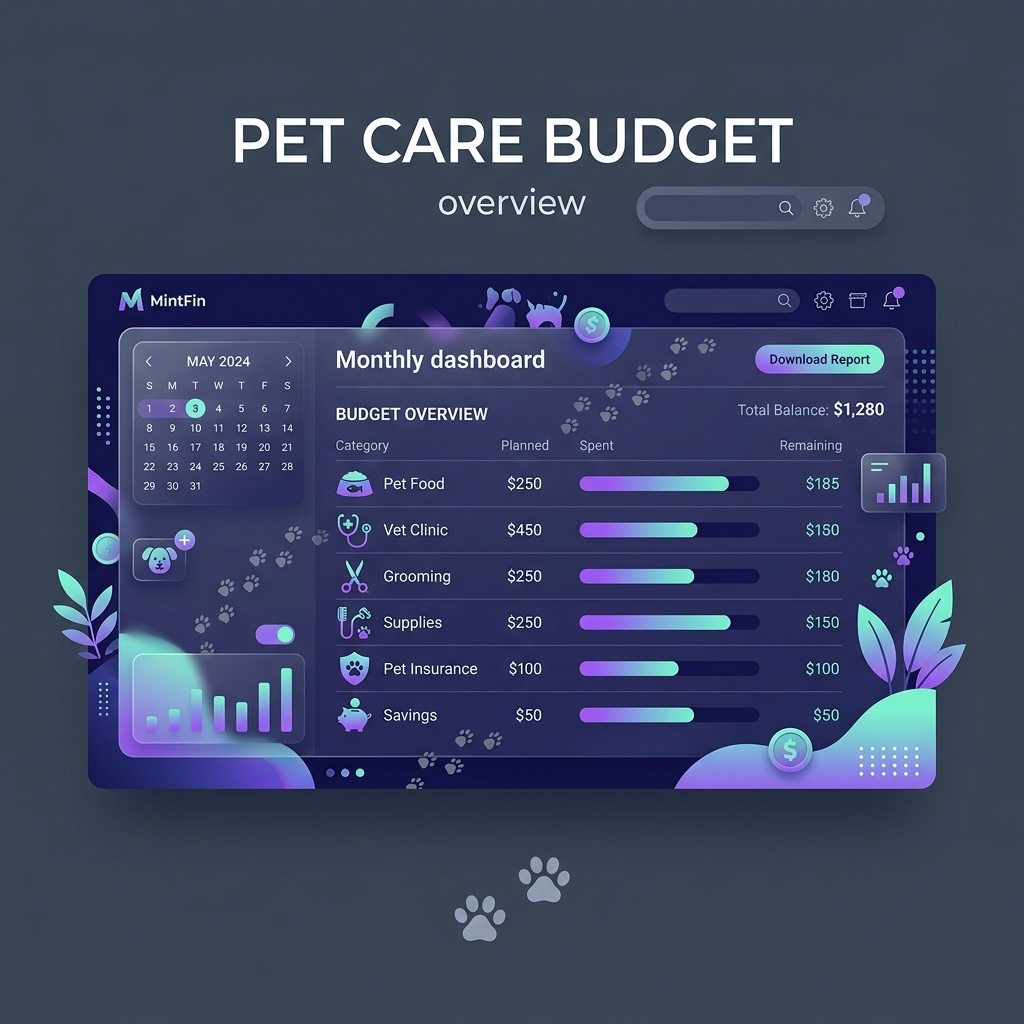
Veterinary bills in the United States can become expensive quickly, especially when diagnostics, anesthesia, emergency staffing, or specialty procedures are involved. Pet parents often find themselves facing sudden invoices that reach thousands of dollars.
With strategic planning and knowledge of US pet healthcare pathways, many owners can reduce avoidable costs without compromising the health and quality of life of their cat or dog. Below are five practical ways to prepare.
1. Buy Prescriptions Online Instead of at the Vet
Veterinary practices generate up to 20-30% of their revenue from selling in-house pharmaceuticals, meaning prescription drugs are often marked up significantly at the front desk. Under US law, your vet is required to provide you with a written prescription if you ask for it.
- Ask for generic options: Just like human medicine, generic formulas (e.g., Carprofen instead of Rimadyl) cost up to 50% less.
- Utilize certified online pharmacies: Companies like Chewy, 1-800-PetMeds, and even Costco Pharmacy fill pet prescriptions for a fraction of the cost.
- Look for GoodRx coupons: If your pet is prescribed a human drug (like Gabapentin or Amoxicillin), you can fill it at regular human pharmacies using discount coupons.
"Never feel embarrassed to ask for a written prescription. It is a routine request, and honest veterinarians understand that cost-effective care is what keeps pets in happy homes."
2. Utilize Low-Cost Vaccine Pop-Ups and Shelters
A standard annual exam at a primary care vet clinic in the USA averages $60 to $80, plus the cost of the vaccines themselves ($25 to $40 per shot). For healthy, young adult pets, you can completely bypass the exam fee for routine immunization.
- Mobile Veterinary Clinics: Companies like Vetco (operated inside Petco) or Luv My Pet coordinate weekly pop-up vaccine clinics where board-certified vets administer rabies and core shots with zero exam fee surcharges.
- Non-profit Spay/Neuter Shelters: Community humane societies frequently organize low-cost spay/neuter drives and microchipping events subsidized by donations and municipal budgets.
3. Ask for Payment Plans, CareCredit, and Sliding Scales
If you are facing an unexpected medical emergency and do not have the immediate funds, do not despair. Talk directly to the clinic manager or veterinary billing coordinator.
Many US clinics partner with third-party financing structures like CareCredit or Scratchpay. These are medical credit systems that offer zero-interest promotional periods (usually 6 to 12 months) for veterinary expenses, allowing you to split large surgical bills into manageable monthly portions.
Additionally, search for "sliding-scale vet clinics" in your county. These clinics determine treatment charges based on your household tax bracket or monthly income, making surgeries significantly more affordable for students, seniors, and low-income families.
4. Secure an Accident & Illness Insurance Policy
While preventative vaccine drives and online pharmacies help lower expected, routine bills, they cannot protect you against major emergencies, like torn cruciate ligaments, toxic foreign body ingestions, or cancer treatments. These events can run up bills of $3,000 to $8,000 in a single day.
The single most powerful shield against these financial shocks is an active pet insurance policy. Under typical US plans (from Lemonade, Embrace, or Spot):
- You pay a low monthly premium ($20 - $50 for dogs, $10 - $25 for cats).
- You select a deductible (typically $250 or $500 per year).
- Once met, the policy reimburses you 70%, 80%, or 90% of the final bill, including hospitalization, diagnostic imaging, and specialists.
Note: It is crucial to enroll your companion while they are young and healthy. No US pet insurance covers "pre-existing conditions," meaning injuries or chronic illnesses diagnosed before your policy's waiting period ends will not be covered.